Written by
Faida Samuel
Introduction
Contemporary African art is one of the most dynamic artistic fields in the global art scene․ Since the end of the twentieth century, the work of African artists has attracted international attention for its new artistic forms, ideas, and materials. In an attempt to establish their individual and artistic identity, many African artists are appropriating and expanding customary uses of found objects‚ recycled and assembled materials‚ industrial refuse and waste, and nature and mixed-media to invigorate and improve the contemporary visual culture of the continent. Other artists who work in the medium include El Anatsui‚ Olu Amoda‚ Lasisi Lamidi‚ Dotun Popoola, and Temitope Johnson Fagade, the subject of this review. Born in Nigeria and resident in the United Kingdom‚ he is a Nigerian mixed media sculptor who creates relief sculptures from wood‚ metal, resin, stone filler, and other materials․ His themes include cultural heritage‚ identity‚ memory‚ the problems of everyday life‚ urban space‚ human relations‚ social values‚ and the safeguarding of African cultural heritage․
Temitope’s works have been exhibited locally and internationally including Autumn Art Exhibition, Open Gallery Halifax 2023, DE Creatures‚ Mimshak Art Gallery (2024) Nigeria‚ Mixed Media & Surrealism Open Gallery Halifax UK (2025)‚ United Kingdom‚ Bradford African Festival of Arts (BAFA) University of Bradford (2025) United Kingdom‚ Meet the Locals‚ Fronteer Gallery Sheffield United Kingdom (2024-2026)editions among others․ Temitope has participated in several workshops such as Echoes of Our Heritage, Ministry of Arts, Culture and Creative Economy, Lagos State Nigeria, and other professional engagements․ The review discussed the three relief sculptures in the order they were viewed‚ concluding with Palm wine Tapper‚ Village Maid and Industrious Woman․
A Review of Temitope Johnson Fagade’s Relief Sculptures․
Temitope’s relief works deal with the idea of cultural identity‚ daily life and social values․ They show technical adeptness and knowledge of the principles of relief sculpture‚ while the texture‚ layering and patina of metals in the sculptures contribute to their richness and the communication of their importance․ For example‚ in Palm wine Tapper‚ a man is carrying two large and a small calabash hanging from a climbing rope‚ in his left hand․ The figure of the palm wine tapper is carved with great detail and painted in shades of gold‚ to create an impression of depth despite the texture of the carved surface. It is clear from the rest of the scene that the figure is a customary African palm wine tapper․ Palm wine tapping is an important cultural and economic activity that provides families with cash income‚ and palm wine is an element in ceremonies and celebrations. Moreover, palm wine tapping has been seen in many place as a hereditary activity passed down from generation to generation․ Palm wine is also closely associated with tradition in Africa and is often used in marriage‚ naming festivals‚ funerals‚ religious rites and ceremonies. The drink is also often seen as the “drink of the gods” and is used as a means of libation, ancestor worship and celebration.
Ascetic though it is‚ the statue represents work‚ the pride of indigenous occupations which‚ despite rapid urbanization‚ have remained the backbone of African civilizations․ The way the calabashes are held‚ along with the pose assumed by the figure‚ reveals the strength‚ commitment‚ and joy of labor․ Thus, Palm Wine Tapper, becomes a statement on African cultural traditions and the slowly fading customary means of making a living that are still an important part of local economies․ See plate i‚ Palm Wine Tapper․
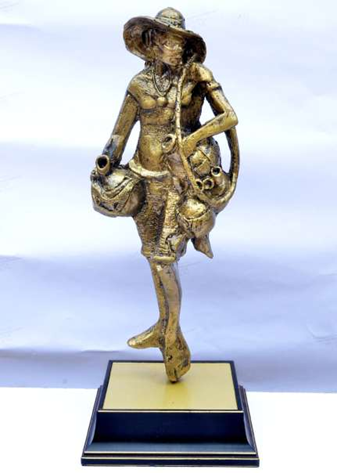
Plate i‚ Palm wine Tapper‚ Temitope Johnson Fagade‚ 48x14x10cm‚ 2022
Another relief sculpture shows a young matured woman with a covered calabash resting on her head․ The relief sculptural piece‚ Village Maid‚ depicts the life of Fulani women of Northern Nigeria‚ who carry and sell fresh cow milk from their settlements and dispersed rural camps․ The long surface of the calabash is covered with lines‚ while the figure of the woman is adorned with necklaces and bangles․ The general patina of the sculpture is several shades of gold‚ with black accents on some details of the sculpture․ According to the artist, “Village Maid‚ reflects domestic life‚ nurturing roles‚ and the dignity found in everyday responsibilities‚ within rural communities”․ It can also be interpreted as a celebration of rural womanhood and the continuity of rural culture․ He gestures casually‚ bearing himself with confidence․ His message is that the life of the farm worker can be a dignified one‚ and that rural life can involve something more than economic hardship․ Instead‚ the sculpture represents the rural women as the keepers of culture‚ supporting households‚ preserving customs and community life․ The sculpture thus points to the beauty and strength of ordinary people and the importance of their work as symbols of the culture‚ preserved in their daily lives․ See plate ii‚ for Village Maid․
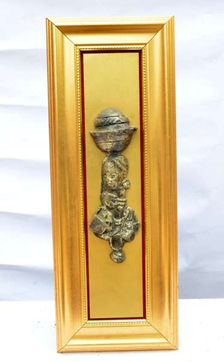
Plate ii‚ Village Maid‚ Temitope Johnson Fagade‚ 38x12x5cm‚ 2021
The third sculpture‚ Industrious Woman‚ makes an impression‚ as the first sculpture does‚ because of the child that is being nursed․ The relief sculpture shows the mother‚ realistically‚ nursing the child and holding the child in both hands‚ holding the wrapper around her body‚ the wrapper being opened deliberately to nurse the child․ The textile ornamentation is in bold and thin linear and large and small circular patterns‚ giving the work a tactile appearance․ The figure is wearing necklaces and bangles‚ symbols of cultural identity and feminine beauty‚ as in the case of Village Maid․
The facial expression of the woman, appears thoughtful and slightly weary, suggesting the work of motherhood and household management. According to the artist, “the sculptural piece reflects care, labor, and the strength of womanhood‚ while honouring the unseen contributions women make‚ in sustaining families and society”․ The sculpture has also been viewed as an exploration of sacrifice‚ resilience‚ and emotional strength beyond motherhood․ Moreover, the painter does not present motherhood as a passive activity ‚ but rather the activity of a leader endowed with strong will, patience, and conscientiousness. The woman’s facial expression gives the viewer the chance to think of the invisible burdens that many women carry while taking care of children‚ working‚ and doing housework․ Thus‚ rather than representing a weak‚ defeated figure‚ the sculpture is intended to glorify the quiet strength of motherhood and indeed the critical role of women in the advancement of society and the nation as a whole. Plate iii depicts the artwork titled Industrious Woman
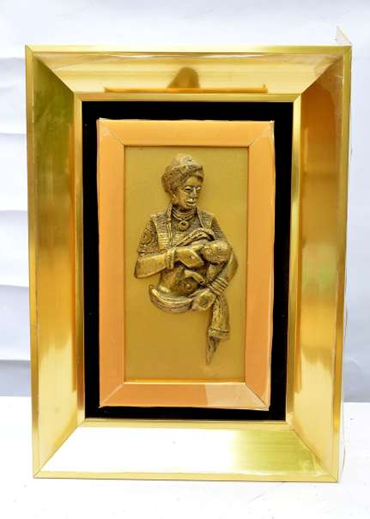
Plate iii‚ Industrious Woman‚ Temitope Johnson Fagade‚ Mixed Media‚ 34x10x5cm
Conclusion
Temitope Johnson Fagade demonstrates a consistent commitment to exploring African identity, cultural memory, and everyday human experiences through relief sculpture. His combination of wood, metal, resin, and textured surfaces transforms ordinary subjects into meaningful visual narratives that celebrate African life and values. The three sculptures reviewed reveal different dimensions of his artistic practice. Palm wine Tapper celebrates indigenous knowledge, cultural heritage, and the dignity of traditional labour. Village Maid highlights the beauty of rural life and recognises the important role women play in preserving culture and sustaining their communities. Industrious Woman honours motherhood, sacrifice, resilience, and the often-overlooked contributions of women to family and society. Together, these works demonstrate the artist’s ability to transform everyday experiences into powerful artistic statements.
Within contemporary art discourse, Temitope’s sculptures contribute to ongoing conversations about identity, heritage, gender, labour, and cultural preservation. At a time when many traditional occupations and cultural practices face the pressures of globalisation and urbanisation, his works serve as visual records that preserve collective memory while encouraging critical reflection on African values. His sculptures remind viewers that ordinary people, everyday labour, and cultural traditions deserve recognition and celebration. Additionally, Temitope Johnson Fagade’s artistic practice contributes meaningfully to contemporary African sculpture by promoting cultural consciousness, social appreciation, and a deeper understanding of humanity through art.