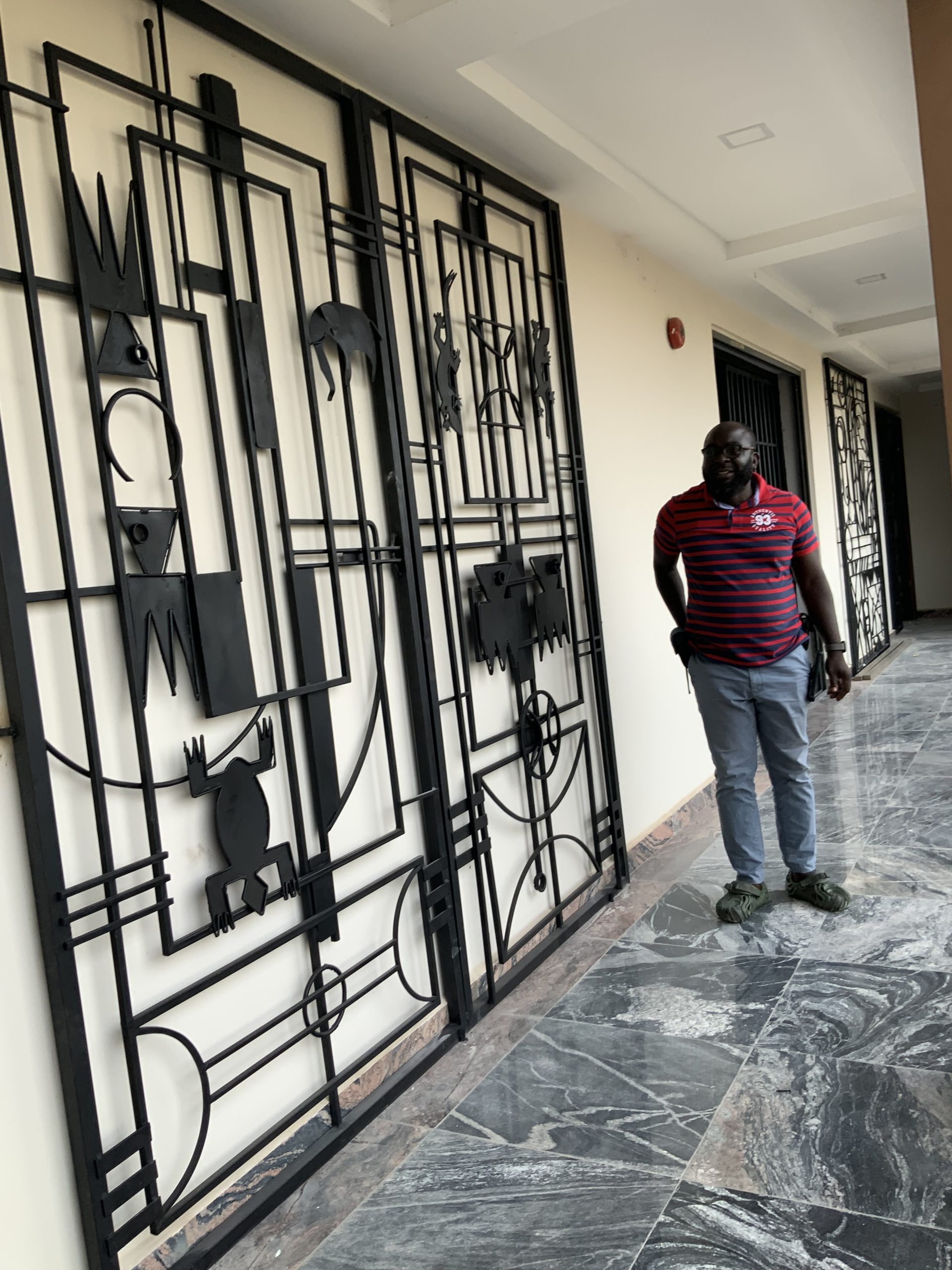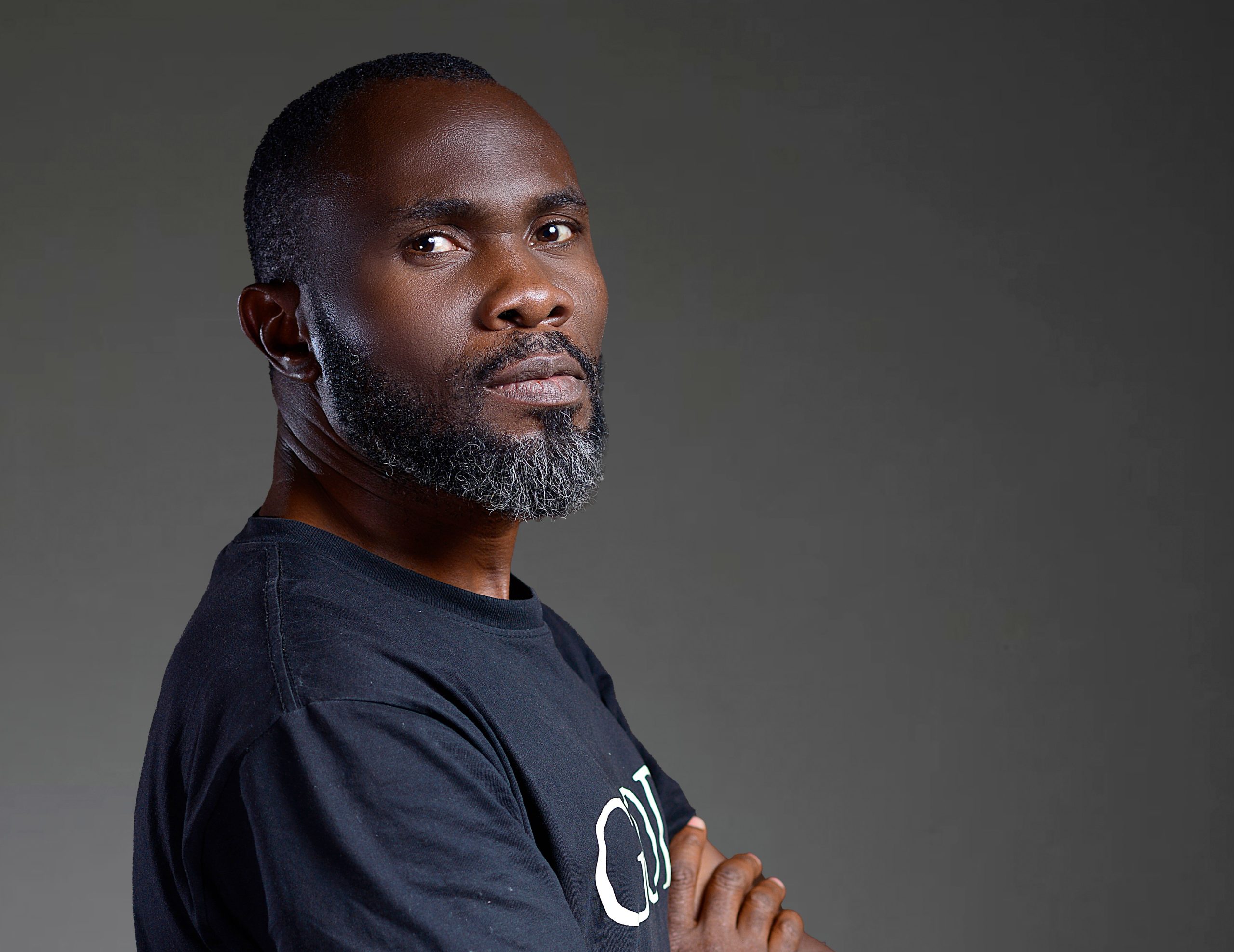
Onah Anthony Osita is a trained sculptor and multidisciplinary artist whose creative practice extends across sculpture, installation, fabrication, painting, metalwork, modelling and casting, and wood carving. He holds a Bachelor of Fine Art degree from the Department of Fine Art, Ahmadu Bello University, Zaria, one of Nigeria’s foremost art schools. His foundation in sculpture continues to shape his approach to materials, construction, and fabrication. As a sculptor, Osita is particularly interested in the possibilities of materials and the process of transforming ideas into physical forms. His training in sculpture has given him practical knowledge of metalwork and fabrication. These skills have also influenced his professional activities beyond the studio, where he applies his knowledge of materials, construction, and design to agricultural technology and infrastructure.
Osita’s artistic journey began within the Zaria art environment, where he developed his understanding of sculpture and other forms of creative practice. During his undergraduate studies, he served as president of the Association of Fine Art Students (AFAS). During his tenure, he initiated and introduced the ALGO Festival, creating an avenue for students to engage with art, creativity, and cultural activities. His leadership experience during this period further strengthened his interest in using creativity as a means of connecting people and creating opportunities. Over the years, Osita has participated in exhibitions, workshops, and other art-related activities. His exhibitions include the WINFEST Art Exhibition, in which he participated in 2024 and 2025. Through his artistic and professional activities, he remains passionate about promoting African art, creativity, and cultural heritage on the international stage.
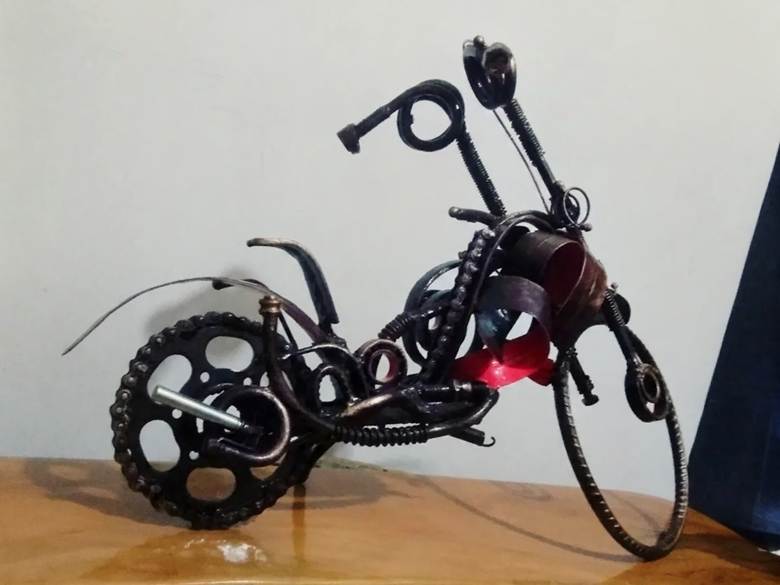
Beyond his studio practice, Osita has developed a strong interest in agriculture and technology. His background as a sculptor has played an important role in this transition. Sculpture requires an understanding of materials, structures, measurements, tools, construction, and fabrication. Osita has transferred these skills into the agricultural sector, where he combines his artistic and technical knowledge with entrepreneurship to develop practical solutions for modern farming.
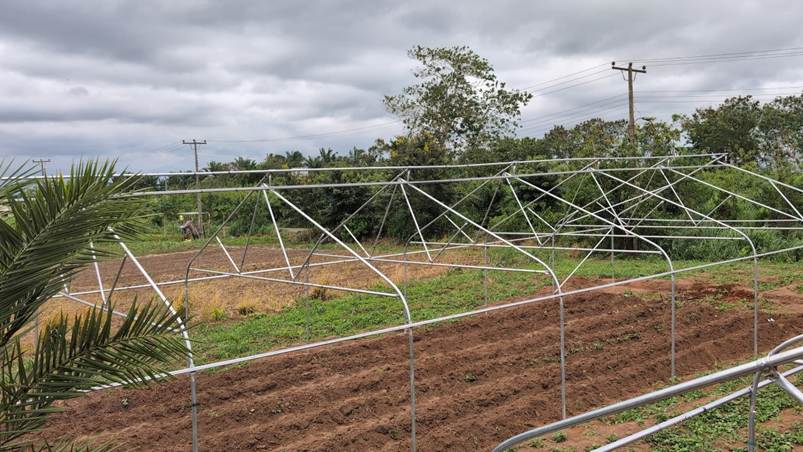
Osita’s experience in fabrication has enabled him to design and supervise the construction of more than 550 greenhouses across Nigeria. His expertise covers greenhouse design, fabrication, installation, irrigation systems, and farmer capacity development. This achievement demonstrates how his training as a sculptor has extended beyond conventional studio practice into a field where creativity, material knowledge, technical skills, and innovation are applied to practical social and economic challenges.
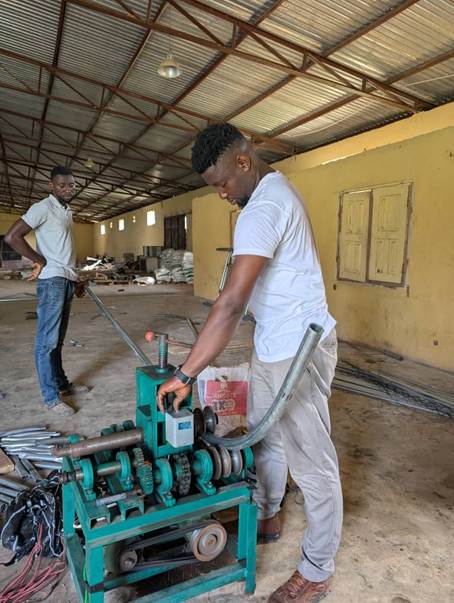
His work also extends to social development. Osita is the founder and CEO of the Metalè Care Foundation, a non-profit organisation that empowers vulnerable communities through agriculture, entrepreneurship, skills development, and social innovation. Through the Foundation, he uses his knowledge and experience as a sculptor to create opportunities for people who face social and economic challenges. One of his major programmes is the Bloom Behind Bars Initiative, which uses climate-smart agriculture as a tool for rehabilitation, employment, and social inclusion within Nigerian Correctional Service facilities. Through this initiative, Osita has trained hundreds of inmates in climate-smart agriculture and provided them with practical agricultural, technical, and entrepreneurial skills. The programme seeks to equip participants with skills that can help them become productive and self-reliant after incarceration. At the centre of Osita’s work is the belief that creativity can extend beyond the production of artworks. His journey shows how the knowledge acquired through sculpture can transfer to other areas of life and professional practice. His understanding of materials, fabrication, and construction has become useful in his work in agricultural technology and social development.
Osita’s story is therefore not simply that of an artist who moved into agriculture. It is the story of a sculptor who has expanded the possibilities of his practice. By combining his knowledge of sculpture with fabrication, technology, agriculture, and entrepreneurship, he demonstrates how artistic training can contribute to innovation and social development. Today, Onah Anthony Osita stands at an interesting intersection between art, technology, agriculture, entrepreneurship, and social impact. His journey from sculpture to agricultural technology does not represent a departure from art but an expansion of what artistic knowledge can achieve.