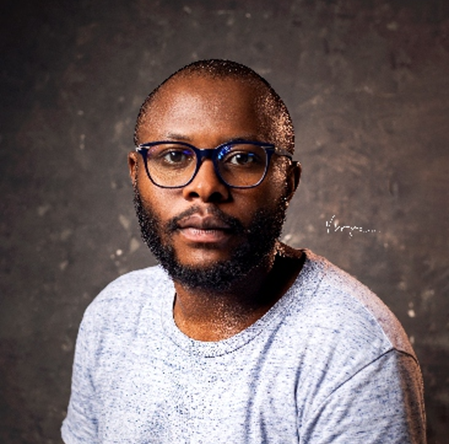
Mangai Joel Dawang is a Nigerian visual artist whose practice spans painting and photography. In this interview with Kontemporary Art and Diskuss (KAD), he reflects on his artistic journey, creative philosophy, exhibition experiences, and the challenges of sustaining a professional art career in contemporary Nigeria. Through the conversation, Dawang offers insights into the role of aesthetics, human experience, and resilience in shaping his artistic vision.
KAD: Can you briefly introduce yourself and tell us about your artistic background?
Mangai Joel Dawang: My name is Mangai Joel Dawang. I am a visual artist, painter, and photographer. Art has always been the most interesting endeavour I find myself engaged in, from drawing and colouring to creating handicrafts with almost any material I could find around me. That interest continued formally through secondary school, and it was during this period that I decided to study art at the university. I graduated with a BA Fine Arts degree from Ahmadu Bello University, Zaria, specializing in painting.
KAD: When did you discover your interest in art, and what inspired you to pursue it professionally?
Mangai Joel Dawang: My interest in art dates back to my childhood. Art was always my favourite subject in school, and in secondary school, I discovered that I could build a career from it. With encouragement from my parents and my art teacher, I decided to study art at the university and eventually make a career out of it.
KAD: How would you describe your journey as an artist from your early years to your current stage of practice?
Mangai Joel Dawang: I would describe my artistic journey as one of self-discovery, experimentation, and evolution. I have experimented with various painting techniques, media, and subjects in my work, evolving through the years as I continue to develop my own visual language.
KAD: Were there particular artists, teachers, or experiences that influenced your decision to become an artist?
Mangai Joel Dawang: I clearly remember my secondary school art teacher encouraging some of us who studied Fine Arts in senior secondary school to further our studies in art and pursue a career in it. That was one of my earliest influences. I also remember going on a museum excursion while in senior secondary school. We had the opportunity to see paintings by Ezekiel Udubrae in the museum gallery. I particularly remember an elephant painting he sold for ₦100,000 at the time. That made me realize that becoming a professional artist was something from which I could make a living, and it encouraged me to study art at the university.
While in the university, I was exposed to the endless possibilities of pursuing a career in art through my lecturers, art history studies, and interactions with practicing Nigerian artists who were already making a living from their work.
KAD: How would you describe your artistic philosophy?
Mangai Joel Dawang: My artistic philosophy is centred on aesthetics. Aesthetics, by the way, is one of the five branches of philosophy. In a world filled with chaos and disorder resulting from human activities, I see my art as a tool for restoring order and beauty in our spaces and minds amidst the chaos of everyday life.
KAD: What motivates you to continue creating after years of practice?
Mangai Joel Dawang: One of my biggest motivations for creating is the fulfilment that comes after I complete a work. It is similar to the feeling God had after He finished creating the world and everything in it, as recorded in the Bible, when He declared that everything was beautiful. Another thing that motivates me is the legacy I am leaving behind when my time on earth is over. I am inspired by the idea of contributing to humanity and making the world a better place.
KAD: What themes or ideas consistently appear in your work?
Mangai Joel Dawang: The most consistent subject in my artworks has been the human figure. I am particularly drawn to and fascinated by the human face because I believe it embodies the human story.
KAD: What do you hope viewers experience when they encounter your artworks?
Mangai Joel Dawang: I want viewers to relate to the stories, emotions, and experiences my work carries. From the subject matter and medium to the colour palette, technique of execution, and even the scale of the work, all these elements contribute to the experience viewers have when engaging with my art.
KAD: Your works range from abstraction to portraiture and landscape painting. What attracts you to these different genres?
Mangai Joel Dawang: My works are predominantly focused on human faces and figures. I am consistently drawn to the human being as a subject in both my paintings and photography because I believe it embodies the emotions, identity, culture, and stories of the human race, and I want to communicate these through my art. My love for nature and serenity inspires me to paint and photograph landscapes. Growing up in Jos, Plateau State, has greatly influenced my landscapes. The beautiful plains, hills, and ponds found there continue to inspire me. I rarely create abstract paintings, but my fascination with colour, texture, and other elements of design sometimes sparks curiosity, and I satisfy that curiosity through abstraction.
KAD: How do you balance realism and abstraction in your paintings?
Mangai Joel Dawang: I find a balance between realism and abstraction through the philosophy of the Impressionist movement. Impressionist artists attempted to capture fleeting moments of their subjects, not with the absolute precision of realist painters, but through expressive interpretations using colour, shape, and light. Although my subjects are rooted in reality, I often interpret them through colour, texture, and expressive brush or palette knife strokes in a loose and abstract manner rather than merely copying them.
KAD:What usually inspires a new body of work?
Mangai Joel Dawang: Different human stories surrounding culture, identity, and emotional experiences inspire me to create new bodies of work. Any human story that resonates deeply with me and seems compelling enough to explore further can become the basis for a series. For instance, I have a body of work titled “Immersed”, which focuses on the different emotions people become immersed in during their daily lives, emotions such as laughter, thoughtfulness, dreams, and joy.
I also have a series titled “Re-Imagining the Nok Figurines in Painting,” which raises questions about the existence, functions, and disappearance of Nok terracotta sculptures, while engaging with aspects of Northern Nigerian culture.
KAD: In addition to painting, you are also a photographer. How did your interest in photography begin?
Mangai Joel Dawang: My interest in photography was born from the desire to capture fleeting moments in people’s lives. Photography enables me to preserve moments instantly and create tangible evidence of experiences that might be difficult to capture while painting on location. I see the camera as an important tool for achieving this.
KAD: How does photography influence your painting practice?
Mangai Joel Dawang: Photography has positively influenced my painting practice by helping me study and understand light more effectively and interpret it more accurately in my paintings. It has also become an important part of my creative process, serving as a tool for gathering reference materials that I later develop into sketches and paintings.
KAD: Between photography and painting, which medium allows you greater freedom of expression, and why?
Mangai Joel Dawang: For me, freedom in art, whether through painting or photography, comes from the ability to express myself without being constrained by external expectations. If I am working on a commissioned painting or commercial photography project, my freedom is somewhat limited because I am creating to satisfy a client’s needs. However, whenever a project originates purely from my own ideas, whether a painting or a photograph, I approach it with complete freedom and creative expression.
KAD: You have participated in several exhibitions over the years. Approximately how many exhibitions have you participated in, both solo and group exhibitions?
Mangai Joel Dawang: I have participated in approximately twenty exhibitions, and one solo exhibition.
KAD: Which exhibitions have been particularly significant in your career?
Mangai Joel Dawang: Every exhibition I have participated in has contributed to my career in different ways, but some particularly significant ones include “In the Shadows,” my solo exhibition at Bougyes Clubhouse, Jabi, Abuja; “Arewa,” a group exhibition at the Yemisi Shyllon Museum, Lagos; +234 Art Fair organized by Soto Gallery, Lagos; “Echoes,” an exhibition by the Society of Nigerian Artists (SNA), Abuja Chapter; the SNA National Annual Exhibition 2026; and “Undiscovered,” a group exhibition organized by Thought Pyramid Art Centre, Abuja.
KAD: How have exhibitions contributed to your growth as an artist?
Mangai Joel Dawang: Visual art must be seen in order to be appreciated and experienced. Exhibitions remain one of the most important platforms through which artists present their work to art enthusiasts, collectors, and the broader public. They have given me opportunities to connect with a wider art community and increase patronage of my work.
KAD: Have there been exhibitions that challenged your thinking or pushed your practice in new directions?
Mangai Joel Dawang: I believe my solo exhibition challenged me the most and pushed my practice in new directions. In a group exhibition, it is easier for attention to be shared among several artists. In a solo exhibition, however, the spotlight is entirely on you. This requires a compelling narrative and a cohesive body of work capable of sustaining audience interest. When executed successfully, a solo exhibition can significantly transform an artist’s career trajectory, and that was my experience.
KAD: What are some of the major challenges you have faced as a professional artist?
Mangai Joel Dawang: Many of my challenges are similar to those faced by other Nigerian artists. Personally, one of my greatest challenges has been balancing studio practice with creating content for social media. Social media has become an essential part of contemporary art practice because it bridges gaps in visibility and access. Maintaining an active online presence increases opportunities for artists to connect with wider audiences and professional networks.
KAD: What challenges do artists in Nigeria face today?
Mangai Joel Dawang: Nigerian artists face numerous challenges, including limited funding, inadequate representation, and unfavourable government policies. These challenges vary depending on the artist’s career stage, geographical location, and level of exposure to opportunities. Collectively, these factors make art practice difficult in Nigeria and often encourage artists to seek opportunities abroad where stronger support structures exist.
KAD:What role has resilience played in your artistic journey?
Mangai Joel Dawang: If not for resilience and my passion for what I do, I would have given up on being an artist a long time ago. The journey has been challenging and continues to be so. I am yet to achieve the level of financial stability I desire, but I remain committed and determined to continue practicing art.
KAD: What advice would you give to emerging artists who are trying to establish themselves professionally?
Mangai Joel Dawang: I would advise emerging artists to be resilient, remain true to their calling, pursue excellence, and find their own voice rather than imitate others. Approach art as a profession by maintaining professionalism in your relationships with collectors and clients. Seek business knowledge with the same seriousness that you pursue artistic knowledge, because both are essential for a sustainable career in art.
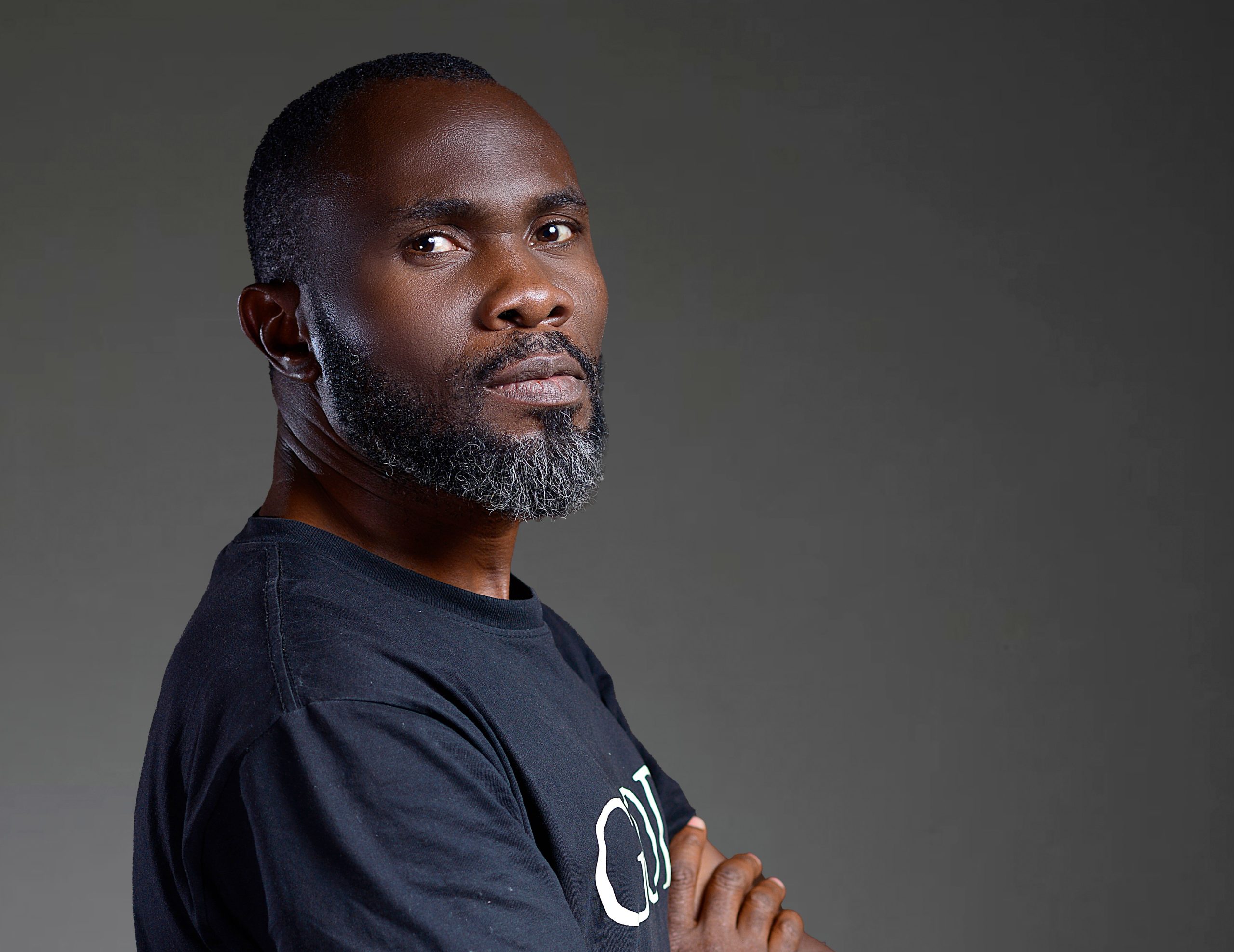
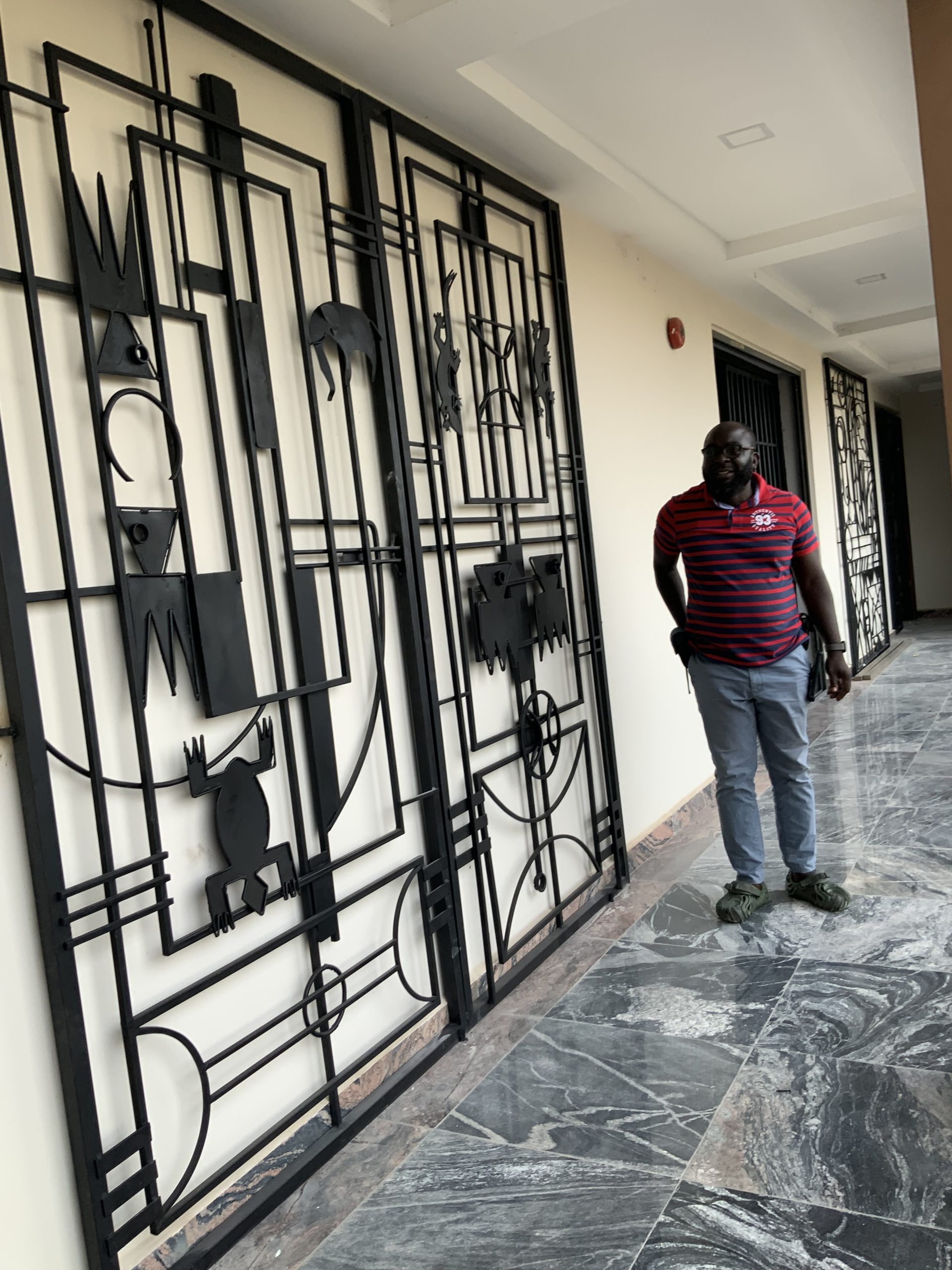
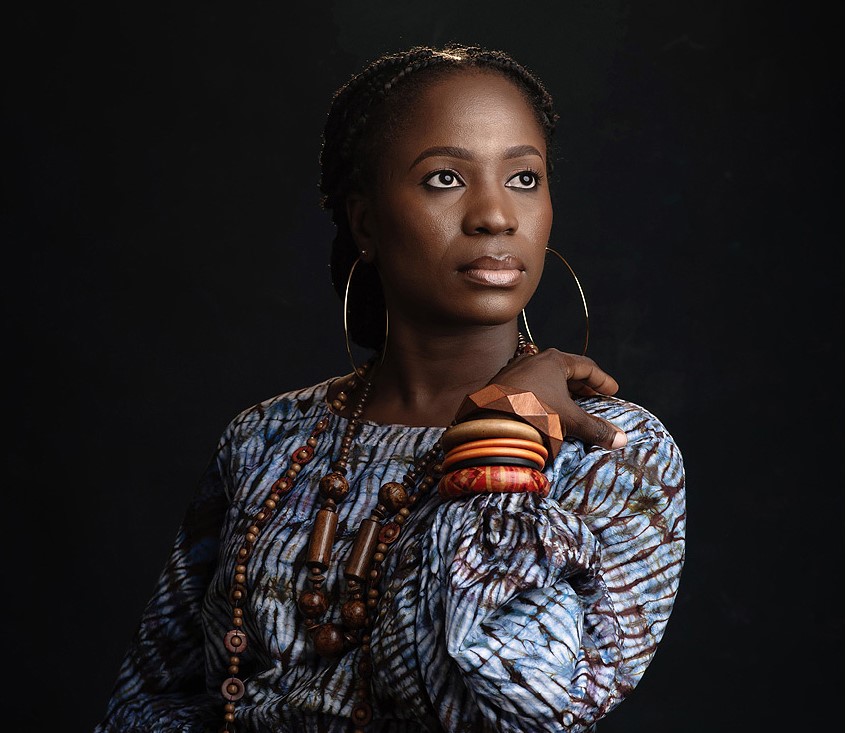
The interviews are revealing of the novelle sides of some of the artists I did not know. Mangai”s decision to go into photography gives me the confidence to continue to push myself into practicing photography whenever art practice and it’s somewhat selfish marketers decide to play God in the face of the the increasing options of Ai among others.
It is interesting to note that Mangai’s photography has inspired you to continue exploring and advancing your photography. We hope to see your photographic works soon.