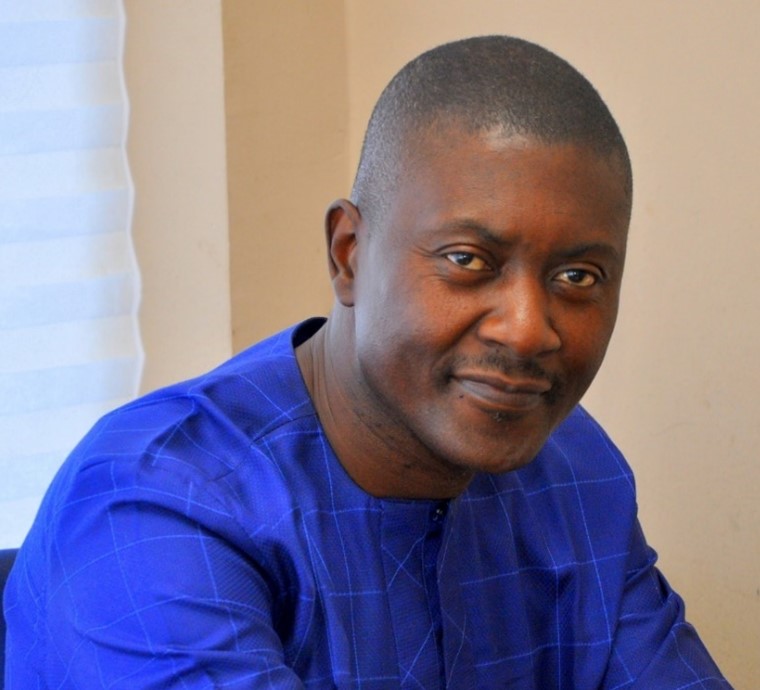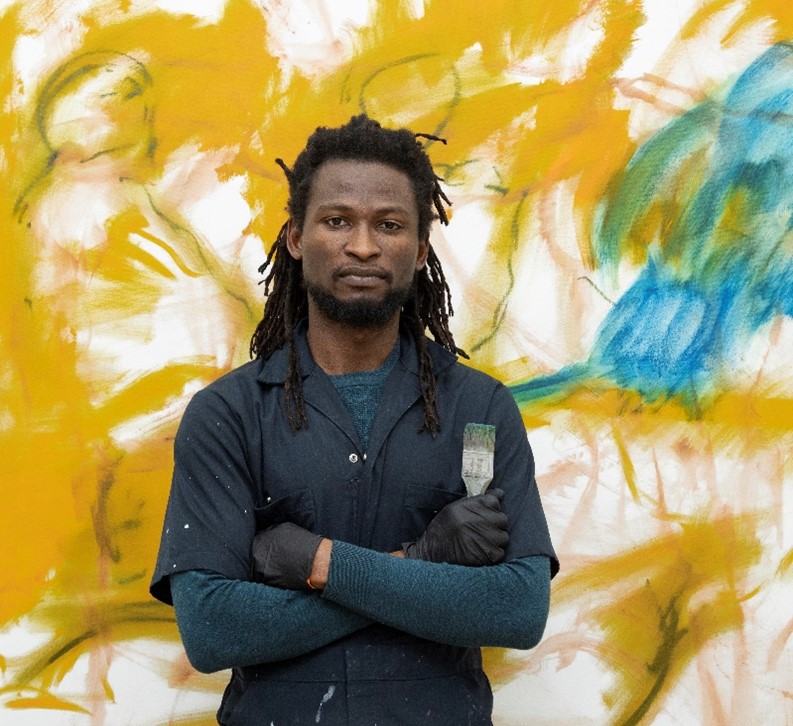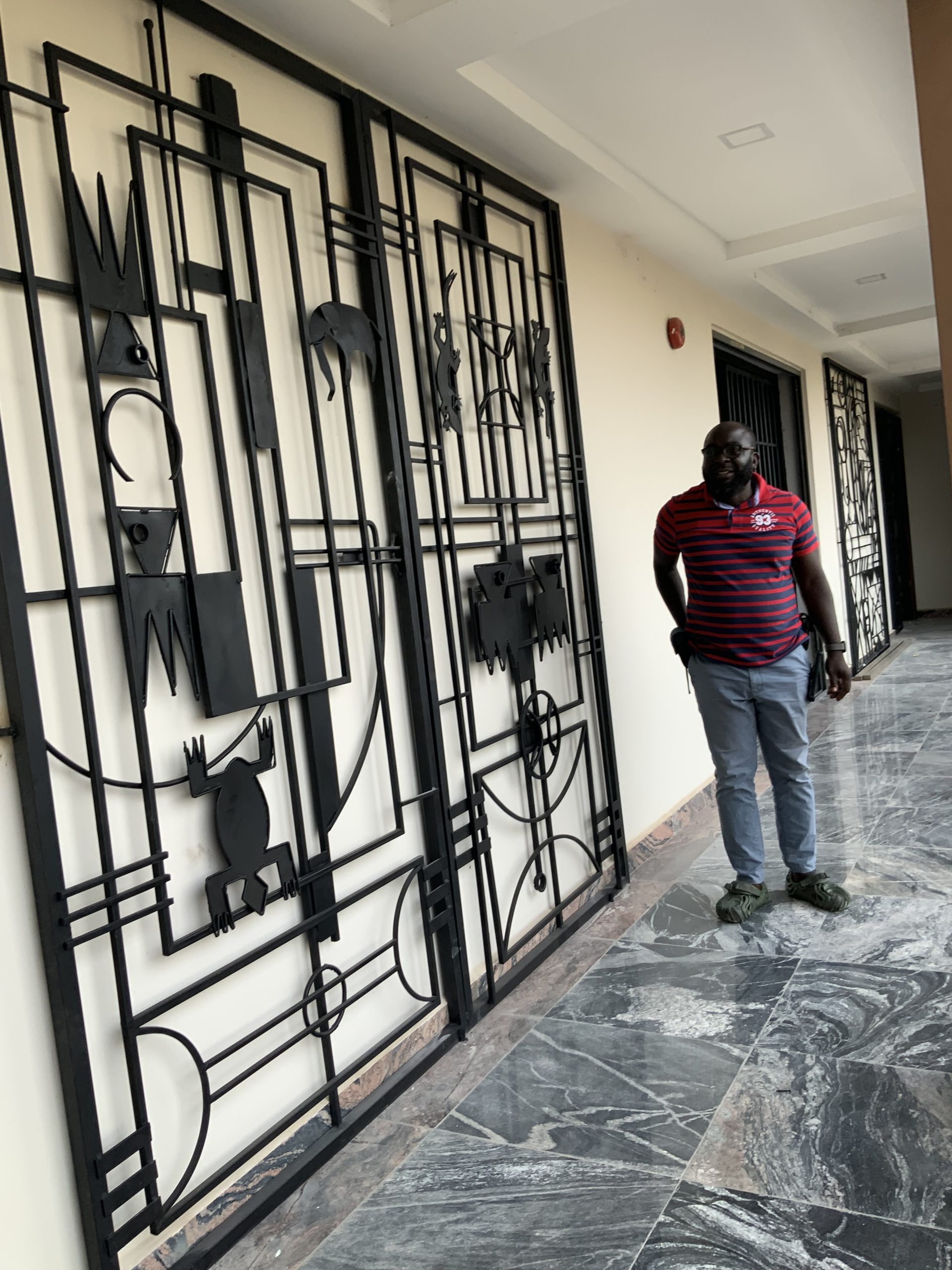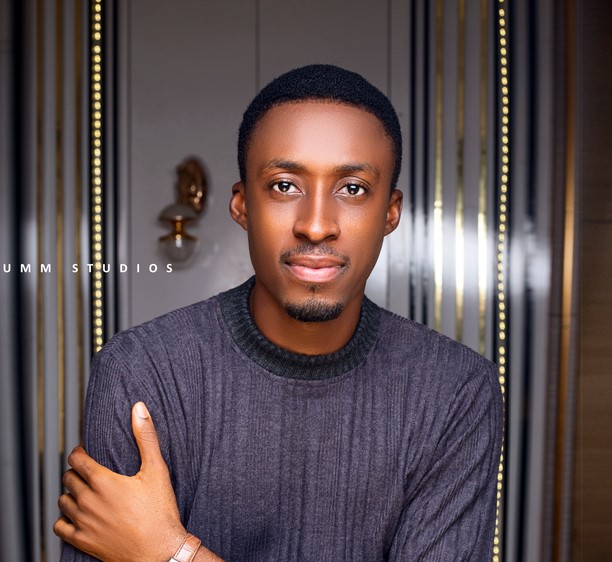
KAD: Can you introduce yourself and tell us about your artistic background?
My name is Samuel Momoh, and I am from Kogi State, Nigeria. I trained as an artist at Ahmadu Bello University, Zaria, one of the leading art schools in Africa. I obtained a Bachelor of Fine Arts degree with specialization in Painting in 2016. My artistic journey began during my childhood. I was naturally drawn to drawing and creating things whenever I had access to art materials or any object that could help me express my ideas. Over the years, this interest grew into a passion and eventually became a career. Since then, I have continued to practice, experiment, and develop my artistic skills while exploring new ways of expressing myself through art.
KAD: What inspired you to become an artist?
My love for creating art inspired me to become an artist. From an early age, I found joy and satisfaction in drawing and painting. The feeling I get whenever I create something meaningful is difficult to explain. Beyond the beauty of art, I became interested in its ability to communicate ideas, emotions, and experiences. I believe art has an important role in society because it can inspire people, encourage reflection, and contribute to meaningful conversations about life and humanity.
KAD: How would you describe your journey as an artist?
My journey as an artist has been both rewarding and memorable. I have experienced moments of growth, challenges, learning, and achievement. One of the greatest blessings in my journey has been the support of my family and friends, who encouraged me during both good and difficult times. Along the way, I have met different people, learned from various experiences, and developed valuable qualities such as patience, discipline, diligence, focus, and a commitment to excellence. These lessons continue to shape both my life and my artistic practice.
KAD: What challenges have you faced in establishing yourself as an artist?
One of the major challenges has been financial limitations. Creating art often requires access to quality materials, which can be expensive. Another challenge is gaining access to galleries, collectors, and exhibition opportunities, especially for emerging artists who are still building their careers and visibility within the art industry.
KAD: How has your artistic style evolved over time?
My artistic style has evolved through continuous experimentation and a willingness to explore new ideas and techniques. I constantly challenge myself to try different approaches, and each new experience contributes to my growth as an artist. As I explore new concepts and methods, my work develops deeper layers of meaning and stronger connections with viewers. This process of growth and exploration continues to influence how I create and how my work is perceived.
KAD: How would you describe your artistic style?
I would describe my artistic style as unique and distinctive. My work combines technical skill with personal expression, allowing me to communicate ideas in a way that reflects my individual perspective and creative identity.
KAD: What themes or subjects do you explore most often in your work?
I am particularly interested in exploring the human figure and the natural world. Many of my works combine elements of realism with surreal landscapes, creating visual experiences that encourage viewers to think beyond ordinary reality and reflect on deeper aspects of life and existence.
KAD: How do you decide on the subject matter of your artworks?
Most of my works begin with an idea or mental image. Once I have a concept in mind, I develop sketches and visual studies to explore its possibilities. Through this process, I determine the most suitable subject matter and composition that best communicate the message or feeling I want to express.
KAD: Who are the artists that have influenced your work the most?
Different artists have influenced different aspects of my practice.In drawing, I admire artists such as Brian Duey, Kelvin Okafor, and Isimi Taiwo for their technical mastery and attention to detail. In painting, I have been greatly influenced by Oswald Uruakpa and Istvan Sandorfi. Their approaches to composition, technique, and visual storytelling have inspired me and contributed to the development of my artistic practice.
KAD: What message do you hope viewers take away from your work?
I believe art is a universal language that can communicate beyond words. Through my work, I hope viewers are inspired to embrace love, truth, and beauty in their daily lives. I also hope my art encourages a deeper understanding of humanity and our relationship with one another, nature, and our Creator. Ultimately, I want my work to inspire reflection, compassion, and meaningful action.
KAD: How do you promote your work and connect with audiences?
I connect with audiences through my clients, galleries, collectors, exhibitions, and social media platforms. Social media has become an important tool for sharing my work with a wider audience and engaging with people from different parts of the world. I also value personal interactions during exhibitions and art events because they create opportunities for meaningful conversations about my work.
KAD: How can art contribute to social change?
Art can contribute to social change in many ways. First, art promotes unity by bringing together people from different backgrounds, cultures, and experiences through shared creative experiences. Second, art encourages creativity and innovation. It inspires individuals to think differently, solve problems, and imagine new possibilities.Third, art serves as a powerful educational tool. It can raise awareness, communicate important messages, and encourage positive change within society. Through these functions, art has the potential to influence attitudes, inspire action, and contribute to social development.
KAD: What challenges do emerging artists face in today’s art world?
One of the major challenges facing emerging artists is access to quality art materials, particularly for those who work with conventional media such as painting, sculpture, and drawing. Another challenge is finding opportunities to exhibit and promote their work. Many young artists struggle with questions of how, where, and to whom they can present their artworks. Building visibility and gaining recognition often require significant time, effort, and resources.
KAD: How do you see the future of contemporary art?
I believe the future of contemporary art will be very exciting. Art will continue to evolve as artists explore new ideas, technologies, and methods of expression. Artificial Intelligence (AI) is already influencing creative practices, and its impact will likely continue to grow. However, I believe human creativity, imagination, and personal experience will remain at the heart of artistic expression. The interaction between traditional artistic practices and emerging technologies will create new possibilities and opportunities for artists in the future.