Duniya Giles Gambo
The camera and photography have become tools in the construction of cultural identity and the documentation of its nuances by this budding artist. Trained through “professional apprenticeship ” in her father’s studies, Hafizat has become a known decimal within contemporary art exposure. Through a dedicated commitment to the ideals of both traditional photography and technology-inspired modern photography, the artist has. Leverage on her computer science background to seamlessly utilised these two resources in presenting her view/perspectives of culture and identity.
“Fulani and Tiv flairs”, this out of her recent works come into focus, due to their cultural signification and therefore identity documentation. The Fulani for instance or Fulbe (as they are traditionally known) according to Anter (2015) in Yahaya (2018) are an ethnic group spread over many countries, predominantly in West Africa, but found also in Central Africa and the Sudan of East Africa: in Nigeria, according to Yahaya (2018), they Fulani are mostly concentrated in the Northern part of the country.
Fulani flair” is one of Hafizat’s photographic art. The work celebrates the socio cultural being of the Fulanis’ as a people and therefore, their humane nature. This is critical, particularly because of recent negative narratives about the Fulani. Thus, “Fulani Flair” displays the unique cultural nature of the Fulani, through their attire and props, within a traditional dance movement. These are symbolised in the photographic art, with the couple dance posture, synonymous with a typical Fulani marriage ceremony popularly called “sharo”. A traditional marriage dance that represents the true essence of Fulani cultural aesthetic, manifest through their unique attire, the Women’s hairstyle, facial makeup and the symbolism of the male stick (more of a staff really). The male stick is symbolic of the male’s willingness to protect what is his, and where necessary, be used as an instrument of aggression.
Indeed Adepegba (1986) in Yahaya (2018), notes that “textile manufacturing, calabash decoration and particularly music and dance, play an integral role in the celebration of life, which accompanies everyday activities of the Fulani. Consequently, “Fulani Flair” is not just a celebration of cultural attire, it is a celebration of Fulani culture and what makes them humans, like everyone, in other words, their cultural nuances. It is the totality of their being, their essence, their identity and consequently their uniqueness. It is Hafizat’s world view of what the Fulani represent, “a beautiful people”. See plate i, for “Fulani Flair”
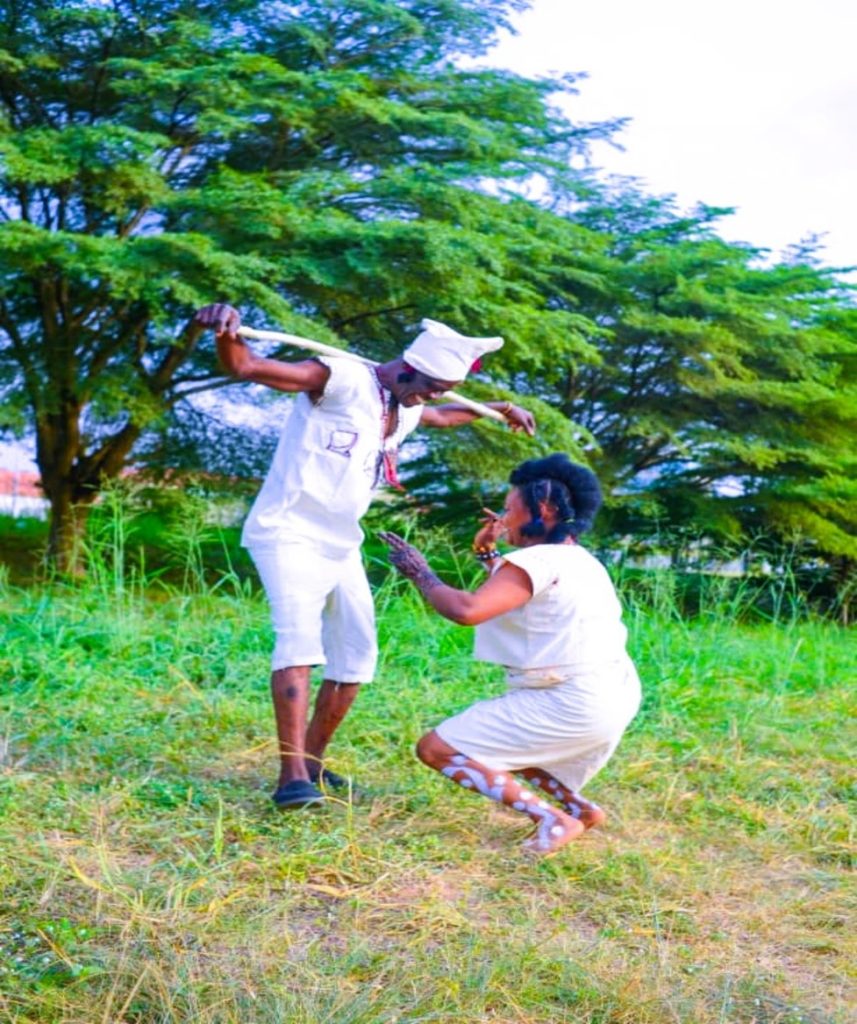
Plate i, Fulani Flair, Hafizat Adegbile, Digital Art/ Photography, 2026. Source; The Artist
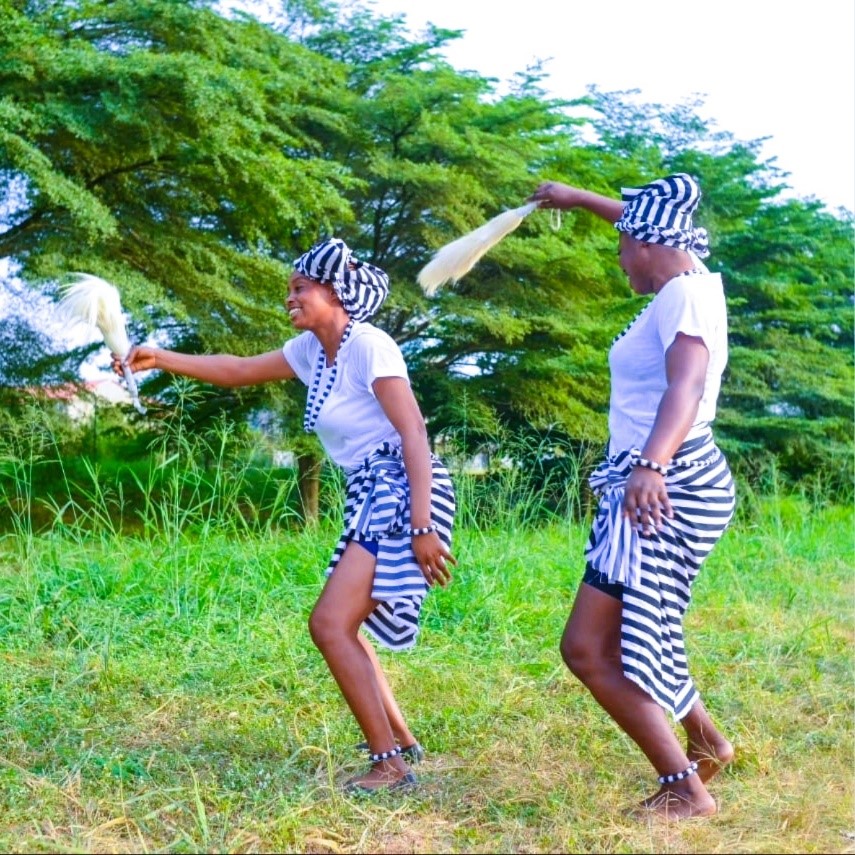
“Tiv Flair” on its part, conceptualises another unique Nigerian culture, the Tiv. They are found in the central part of Nigeria, specifically in Benue and to some extend in Nasarawa, as well as Taraba States of Nigeria. They constitute the single largest ethnic group in Benue State, followed by the Idoma and are therefore, minorities in Nasarawa, as well as Taraba States. The Tiv are known to have a vibrant and rich cultural tradition that is exhibited through dance, puppetry, clothes and dramatics. Their clothes, particularly the signature white and black stripes is classically associated with them, more than any other attire. Hence, Hafizat’s photographic art composition, celebrating this unique culture and its traditional nuances.
Beyond the aesthetics of the Tiv “white and black” stripes attire that Hafizat’s work is celebrating, lies the Tiv acceptance of the duality of life generally. Thus, it is a cultural celebration of the reality of life, being either “white or black”; “birth or death”; “day or night”; “good or bad” and “young or old”, just to mention a few. The work, through the capture of the iconic Tiv traditional dance, acknowledges the flexibility of life, despite life’s difficulties, which is exemplified by the difficulty of doing the dance movement, inspite of its beauty. See plate ii for “Tiv Flair”.
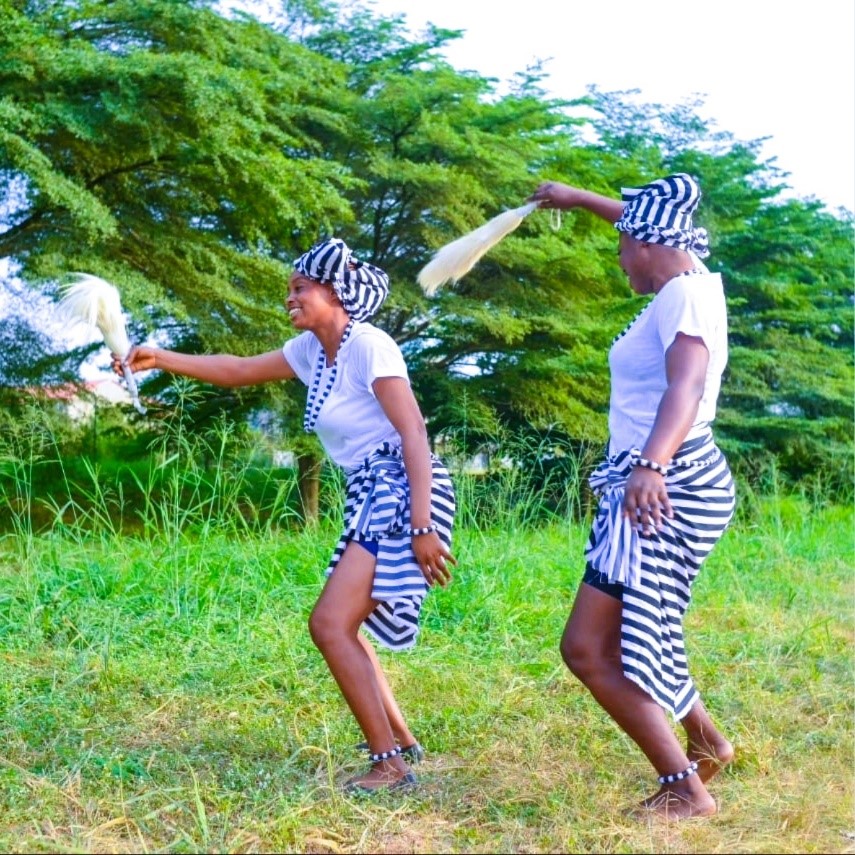
Plate ii, Tiv Flair, Hafizat Adegbile, Digital Art/ Photography, 2026. Source; The Artist
The camera, according to Duniya (2025), is “an instrument for (de) constructing visual narratives, representation and agency, as well as for activism and advocacy…” Thus, this artist has found it useful, in the construct of Fulani and Tiv flairs. Therefore, Hafizat’s photographic art is not just celebrating cultures, it is documenting it, in a manner that embodies the totality of what constitute the nuances of such cultures. Her works are also an advocacy for the projection of the elements that leads to cultural beauty and the positive vibes that they engender, rather than the negative narratives that populate contemporary society generally. Incidentally, the Fulani and Tiv are “best of cultural friends” but have been of recent been presented as antagonists against each other, due to certain unnecessary avoidable conflicts between them. These two works, shows that they both have unique cultural traits, that both can leverage on for a more enduring mutually beneficial partnerships and relationship.
References:
Duniya, G. G (2025) “The Construction and Interrogation of Visual Narratives Through The
Camera In Times of Crisis: An Introduction. I n the book, Camera In Times of Crisis (Kahinde Christopher Adewumi, Folasayo Enoch Olalere and Duniya Giles Gambo, Edited) Emerald publishing UK.
Yahaya, M. S. (2018) “A Socio-Cultural Analysis of Fulani Body Decoration in Adamawa State
Nigeria. An Unpublished PhD Thesis, Ahmadu Bello University Zaria, Nigeria.